
Microsoft for Developers
Get the latest information, insights, and news from Microsoft.
Latest posts
When your agent extensions fight each other

This is the fourth article in a series about Agent Experience (AX): the practice of making AI coding agents work correctly with your technology. The series covers what you can and can't control in the agent stack, how to measure whether your extensions are helping or hurting, and how to iterate toward better outcomes. You shipped your extension, measured it, confirmed it creates lift. Then a developer installs it alongside 14 other extensions, and outcomes get worse. Not because your extension is broken, but because extensions don't exist in isolation: they compete. In the previous article, we covered how to me...
Competing against yourself
You shipped a new CLI: better developer experience, modern architecture, and optimized for agents. You deprecated the old one, updated the docs, and blogged about it. Developers are migrating. Then someone asks an AI coding agent to scaffold a project, and the agent... uses the old tool. Training data gravity Models learn from the internet. If your technology has been around for a decade, there are thousands of blog posts, Stack Overflow answers, tutorials, and GitHub repos that document the old way of doing things. Your new CLI? A handful of announcement posts and maybe some updated docs. So what happens wh...
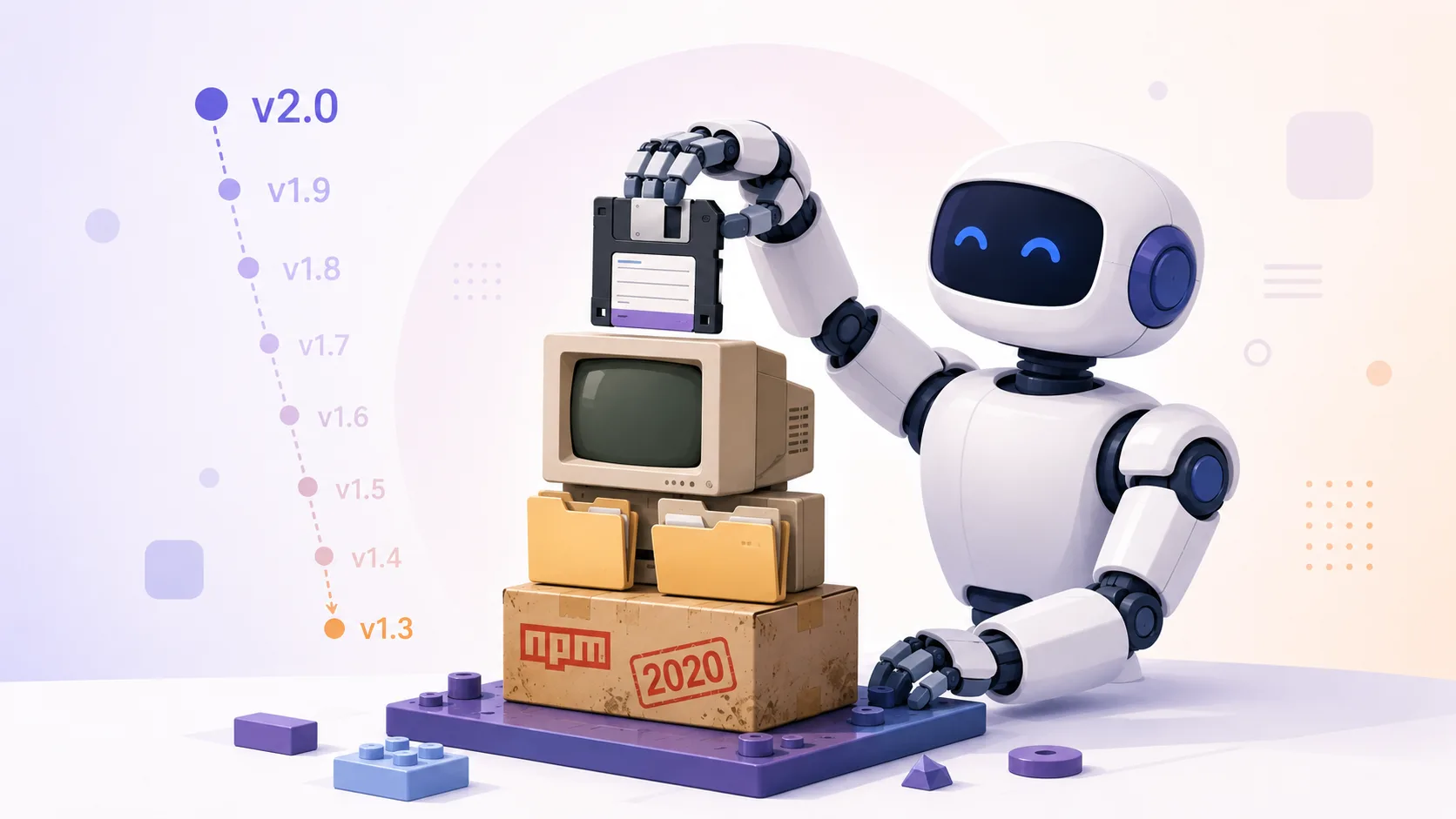
Your agent just scaffolded a project from 2020
Your agent ran a scaffold command. Project generated, dependencies resolved, no errors. Everything looks fine. Except it's based on the project structure from 2020, and neither you nor the agent noticed. How npx picks the right-but-wrong version When an agent scaffolds a project or runs a CLI tool, it often reaches for without specifying a version. Something like: Notice, that there's no version pinned anywhere. The agent typed the package name and assumed it'd get the latest. That's where things break. When you run without a version, npm resolves the latest version that's compatible with your current Nod...
Is your agent extension actually working?
This is the third article in a series about Agent Experience (AX): the practice of making AI coding agents work correctly with your technology. The series covers what you can and can't control in the agent stack, how to measure whether your extensions are helping or hurting, and how to iterate toward better outcomes. You shipped your skill, wrote clear instructions, developers install it, and agents discover it. Everything looks like it's working. But is the generated code actually better because of your extension? Or would the agent have produced the same result without it? In the first article, we introdu...
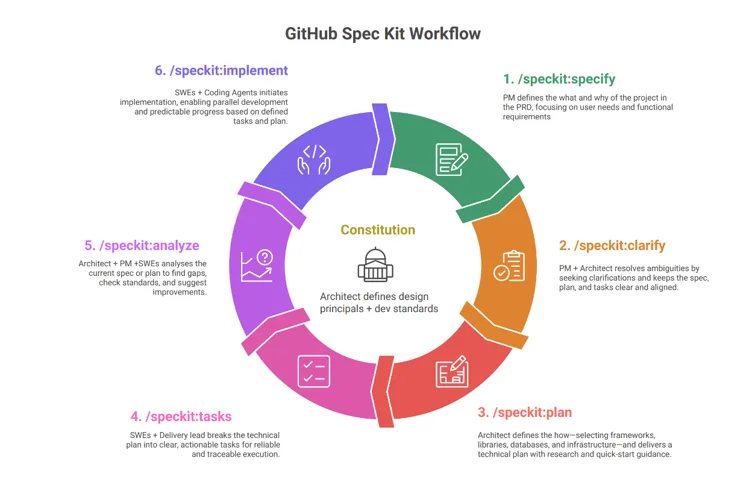
Spec-Driven Development: A Spec-First Approach to AI-Native Engineering

AI has made software delivery faster, but speed alone does not guarantee better outcomes. As teams adopt AI-native development, the real challenge is keeping requirements, design, implementation, and validation aligned so the final result still reflects the original intent. Spec-Driven Development (SDD) addresses this by making structured specs the shared source of truth for both humans and AI. Instead of prompting first and aligning later, teams align first and let AI accelerate execution from a clear spec. Why AI-assisted development still breaks down Teams often ship software that works but still misses the ...
Microsoft Build 2026 recap: vision, launches, and top sessions

Catch up on Microsoft Build 2026 with the vision lead-off, top developer announcements, and must-watch sessions across the Microsoft developer ecosystem.
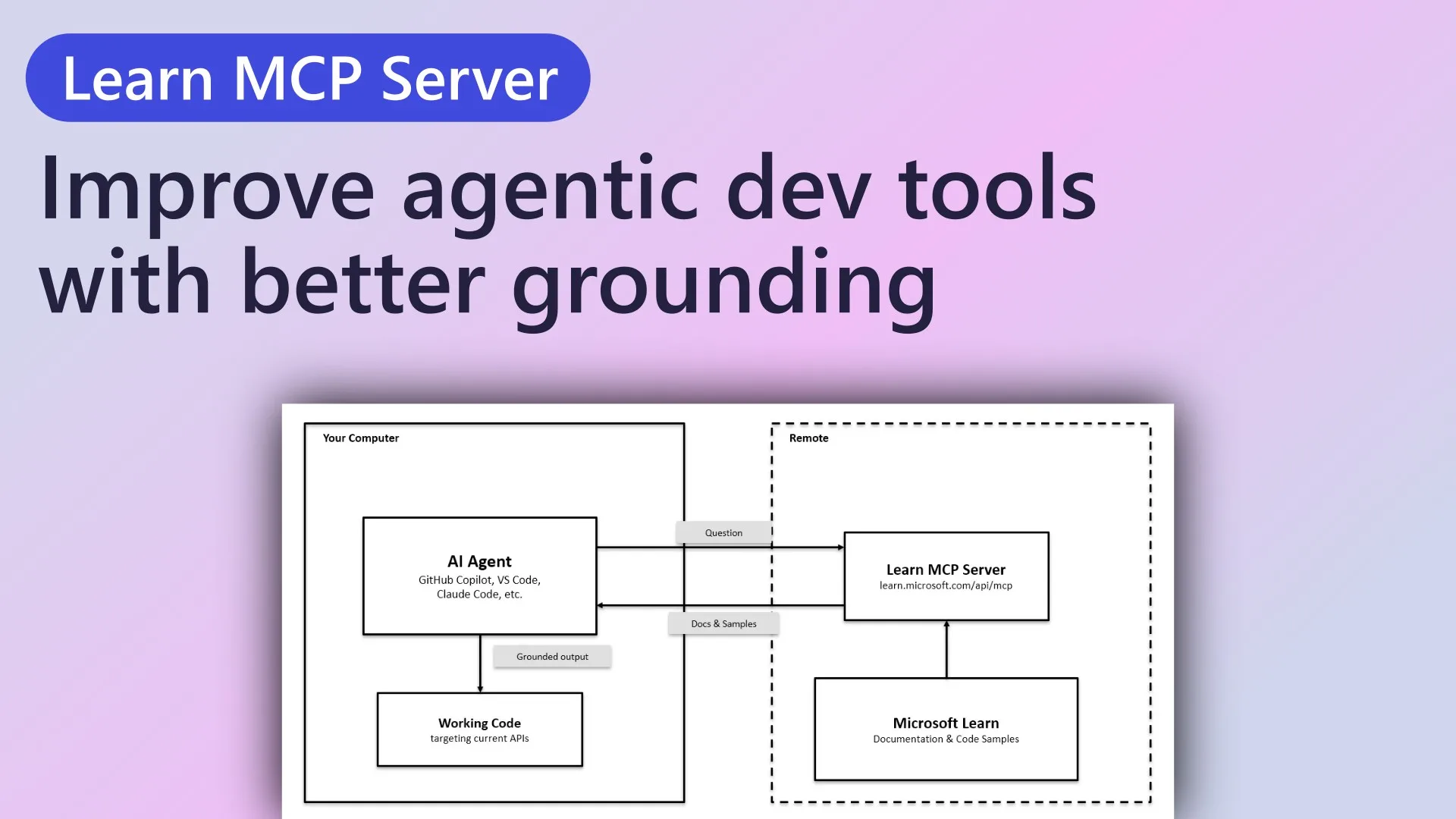
Improve your agentic developer tools by grounding in Microsoft Learn

Development workflows span terminals, IDEs, background agents, and custom assistants. What matters is whether they draw from the same current source. Learn MCP Server gives any MCP-compatible agent direct access to current Microsoft documentation - one endpoint, nothing to install, no authentication required. What does that look like in practice? You give your coding agent the prompt: "create a CLI script to deploy Azure AI Foundry." It reaches for , the Azure ML extension - the right answer a year ago. It hits a Python dependency crash, spends 15 tool calls debugging import paths, and produces a script target...
How AI coding agents actually use your technology
You ship an SDK, a CLI, an API, and developers use it. Now AI coding agents use it too, except they use it differently than humans do. Most of the time you have no idea what's actually happening between "developer types a prompt" and "agent generates code with your technology." Is the agent reading your docs? Is it calling your MCP server? Is it ignoring both and guessing from memory? In the previous article, we introduced the AX stack: model, harness, and agent extensions. We talked about what's fixed and what you can influence. This time, let's trace through what actually happens, step by step, when an agent...
The AX stack: what’s fixed, where you can win
AI coding agents promise to make you more productive. On the surface they do, but in practice they fall short: agents generate code that doesn't compile, use a deprecated SDK, or pick the wrong service entirely. Is it you using it wrong? Is it your tech stack? Or is it the tools you haven't configured yet? The stack between a developer's prompt and the generated code has layers. Some of those layers are fixed: you can't change them no matter what you do. But there's one layer where you have all the leverage. And if you don't know which is which, you'll waste time optimizing the wrong thing without seeing any r...